

Wellness
True skin health begins internally.
Our wellness services integrate medical assessment with preventative and longevity-focused care.
All consultations are conducted by a Nurse Practitioner and begin with a comprehensive review of symptoms, history and appropriate investigations.
What We Treat
We support patients experiencing:
Fatigue
Hormonal imbalance
Perimenopause and menopause symptoms
Weight fluctuations
Brain fog
Mood changes
Thyroid dysfunction
Gut concerns
Hormone and Fertility Optimisation
Hormone Replacement Therapy (HRT)
Period Health
PMS/PMDD
Endometriosis
PCOS
Vaginal Dryness
Mood Changes
Brain Fog
Insulin Resistance
Low Libido
Weight Optimisation
Thyroid Optimisation
Each plan is individualised and evidence-based.
Perimenopause and Menopause
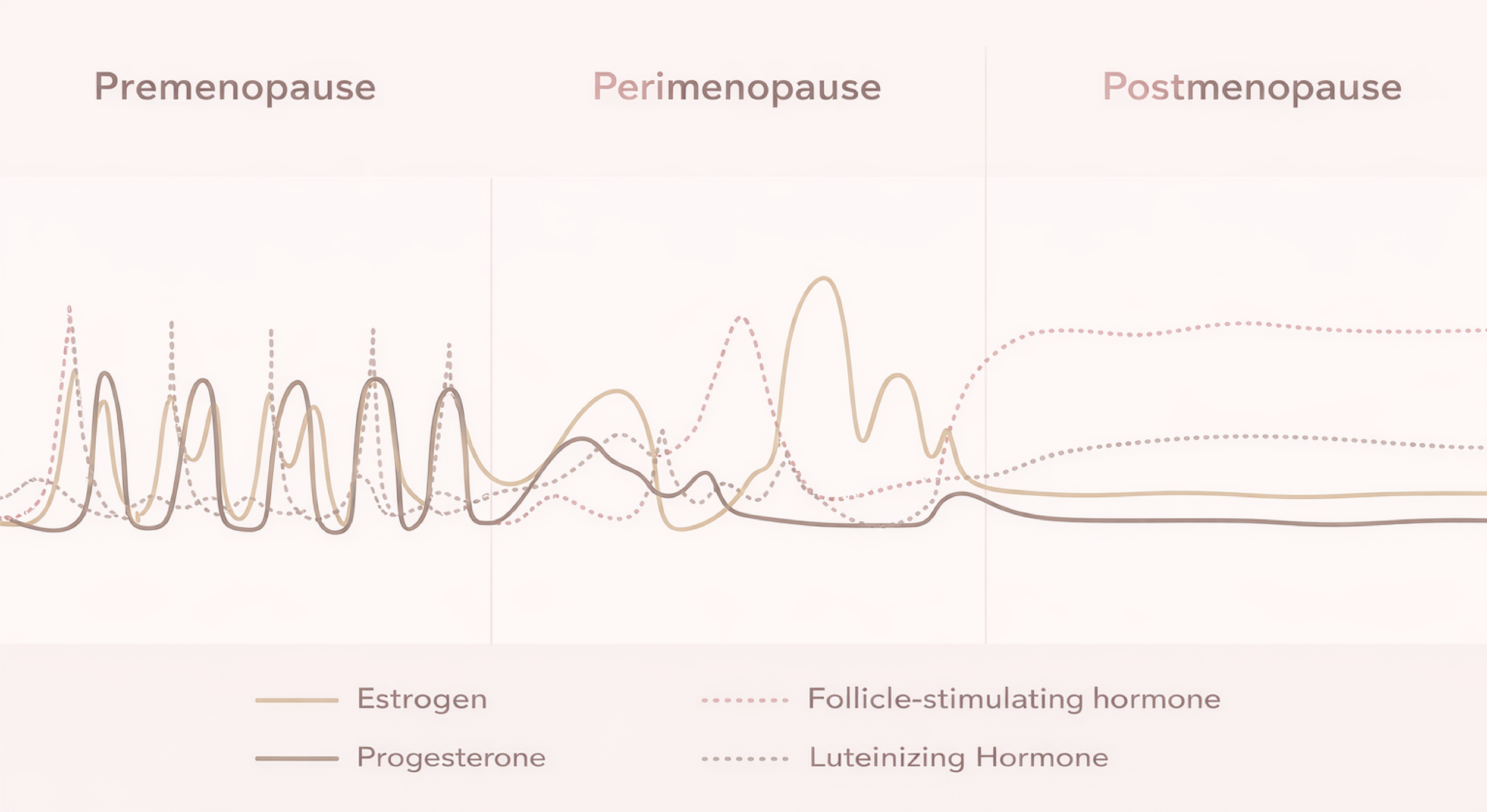
Perimenopause is the reproductive phase in a woman’s life that occurs before the final menstrual period, which is known as menopause.
On average perimenopause can last for 8 to 10 years and is usually characterised by hormonal changes (particularly to oestrogen). This era is also known as the “zone of chaos”.
-
Hot flushes and night sweats
Menstrual cycle disturbance (irregular periods, including heavy bleeding)
Cognitive changes (brain fog, forgetfulness, memory lapses, trouble concentrating)
Mood and mental changes (anxiety, irritability, low motivation, panic attacks)
Genitourinary symptoms of menopause (vaginal dryness, discomfort during intercourse, increased urinary tract infections, urinary incontinence, vulval changes)
Sleep and energy issues (including fatigue)
Physical discomfort (joint and muscle aches, frozen shoulder, decrease in grip strength),
Other changes such as unexplained weight gain, heart palpitations, itchy dry skin, headaches and decreased libido.
A structured approach to the perimenopause consultation allows practitioners to establish the diagnosis, review symptoms, address chronic disease risk factors and creates personalised treatment plans.
Menopause is caused by the loss of ovarian follicular function and a decline in circulating blood oestrogen levels. Menopause is officially declared when a woman has not had a period for 12 consecutive months.
Health implications in menopause include risk factors for chronic diseases change during menopause, including bone loss, cardiovascular risk factors and altered glucose metabolism.
Each woman’s experience with perimenopause and menopause can vary, and it’s essential to seek personalized advice from healthcare professionals during this significant life transition.

Hormone Replacement Therapy (HRT )
Hormone Therapy (HT), also known as Hormone Replacement Therapy (HRT) and Menopause Hormone Therapy (MHT), is a safe and effective treatment for perimenopause, menopause, and other hormonal issues such as premenstrual dysphoric disorder (PMDD).
-
Body-identical hormones are often recommended as the first-line treatment as they are the safest and most effective form of hormone therapy. As of the 1st of March 2025, several key body-identical menopausal hormone therapies were added to the Pharmaceutical Benefits Scheme (PBS). This listing significantly reduced costs for patients, with subsidies applying to both general and concession cardholders.
Bioidentical (or compounded bioidentical) refers hormones have the same chemical structure as the hormones naturally produced by the human body (ovaries). They are obtained from plants and are designed to mimic the body’s own hormones. Bioidentical refers to custom-mixed hormones made up by a compounding pharmacy. We have a list of preferred compounding pharmacies. Compounded medications require a private script and are not currently subsidised.
The aim of HRT is to address hormonal imbalances and improve well-being.
-
There are several non-hormonal medications available to help in the treatment of the symptoms of perimenopause and menopause.
It’s essential to consult with a healthcare provider to determine the most suitable approach based on your individual needs and health considerations. Our practitioners are happy to discuss and guide you through which treatment options may work best for you.
-
In 2002, results from the Women’s Health Initiative (WHI) study led to widespread concern about hormone replacement therapy (HRT). Headlines suggested an increased risk of breast cancer and cardiovascular disease, resulting in a dramatic decline in HRT use worldwide.
However, we now understand that these findings were widely misinterpreted and do not reflect modern HRT practice.
The WHI primarily studied women with an average age of 63, many of whom were more than 10 years post-menopause and had existing cardiovascular risk factors. The hormone formulations used also differ from those commonly prescribed today.
Subsequent research has shown that:
When HRT is started before age 60 or within 10 years of menopause, it is safe for most women
Oestrogen-only HRT does not increase breast cancer risk and may slightly reduce it
Modern transdermal oestrogen and micronised progesterone have more favourable safety profiles
HRT remains the most effective treatment for menopausal symptoms and plays an important role in bone, cardiovascular, cognitive and metabolic health
At Glow Aesthetics & Wellness Co, HRT is prescribed using an individualised, evidence-based approach, taking into account personal risk factors, symptom burden, and patient preferences.
Rehydr8 Clinic IV infusions
Intravenous Vitamin Infusions
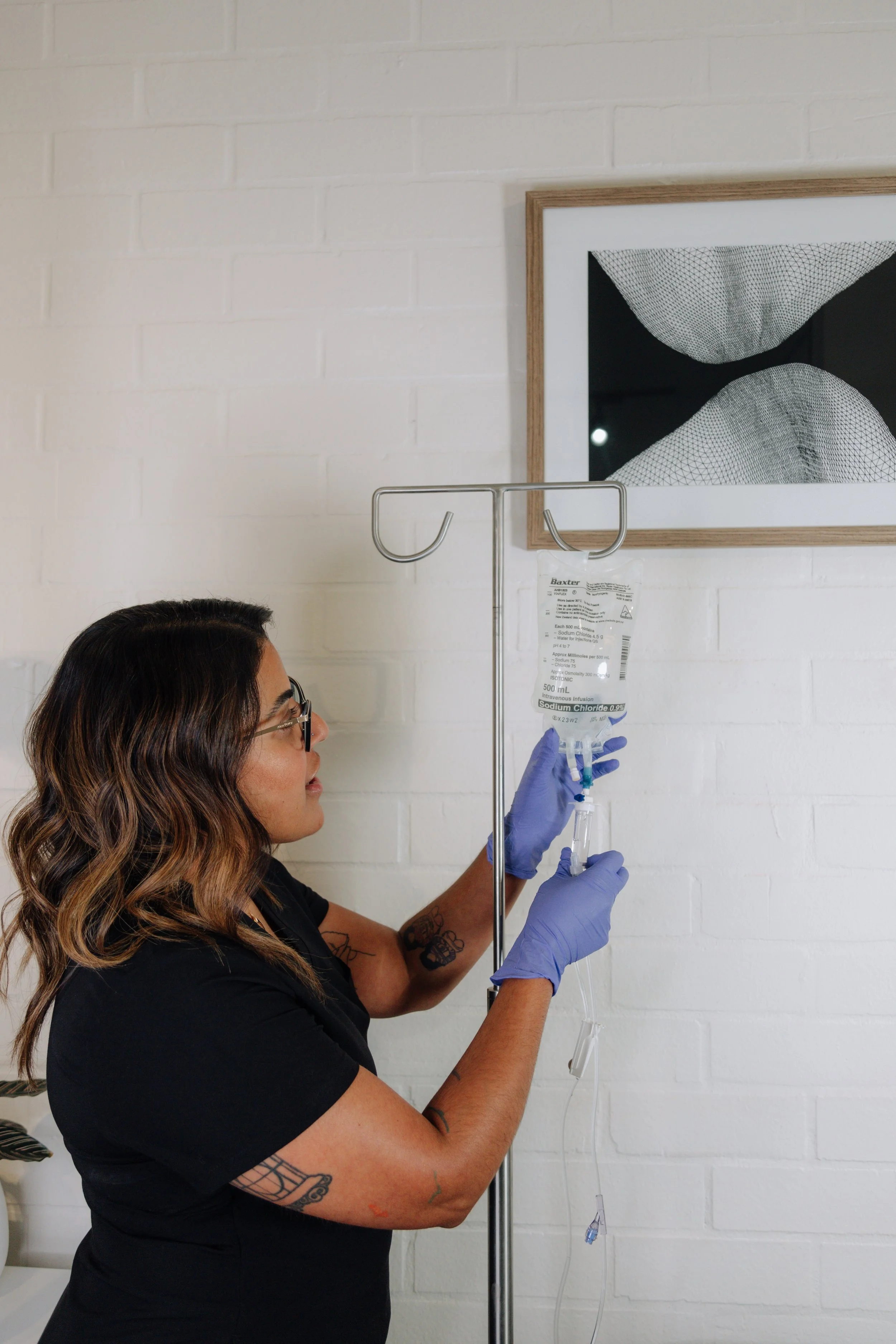
Intravenous (IV) vitamin infusions have gained popularity as an approach to enhance overall health and wellness. This procedure involves the direct injection of vitamins and minerals into the bloodstream, delivering high doses of nutrients to the body.
-
IV vitamin infusions are performed by licensed healthcare professionals trained in the procedure. A needle is inserted into a vein in the arm, and a solution containing vitamins and minerals is slowly infused into the bloodstream. The duration of the procedure typically ranges from 30 minutes to an hour.
-
IV vitamin infusions may improve energy levels, boost the immune system, reduce stress and anxiety, and promote overall well-being. However, scientific evidence supporting these claims is limited.
-
While IV vitamin infusions have gained popularity, it's important to approach the topic with a balanced perspective. Discussing potential risks and considering individual health factors are vital for informed decision-making. It's also important to explore alternative methods of obtaining essential vitamins and minerals through a balanced diet and oral supplements, as they may be sufficient for most individuals.
-
Before pursuing an IV vitamin infusion, it is strongly recommended to consult with a qualified healthcare professional. They can assess your medical history, evaluate your specific needs, and provide personalized guidance based on scientific knowledge and expertise. This ensures that the treatment aligns with your overall health goals and maximizes your safety and well-being.

Brain Training
NeurOptimal® is a type of Dynamical Neurofeedback that uses sensors on the scalp to read brainwave activity and provide real-time audio/visual feedback (like brief music pauses) to help the brain self-correct and optimize its own functioning, promoting flexibility, focus, and resilience without targeting specific symptoms or diagnosing. It's non-invasive, automated, and aims for overall brain health, with users reporting benefits for stress, sleep, anxiety, and focus, though it's positioned as training rather than therapy.
-
Improved focus and mental clarity.
Better emotional stability and stress relief.
Enhanced sleep.
Reduced symptoms of anxiety.
Increased resilience and self-awareness.
More focus
Decrease in performance anxiety or sports anxiety
-
NeurOptimal® can help promote a healthy lifestyle and can become part of your wellness program. As with any training program a course of sessions is recommended to achieve the best results.
NeurOptimal® is a training tool and does not diagnose, treat, mitigate, prevent or cure any disease, disorder or abnormal physical state, nor does it restore, modify or correct the body's structure or functioning.

Mild Hyperbaric Oxygen Therapy (mHBOT)
(mHBOT) is a wellness-focused treatment where individuals breathe oxygen-enriched air in a pressurized chamber at levels slightly higher than sea-level atmospheric pressure.
Unlike traditional medical-grade Hyperbaric Oxygen Therapy (HBOT), which uses high pressures (up to 3.0 ATA) to treat acute emergencies, mHBOT operates at lower pressures (typically 1.3 to 1.5 ATA) and is primarily used for general recovery and well-being.
Some benefits of mHBOT may include:
Enhanced healing & recovery
Reduced inflammation
Cognitive support
Immune system boost
A consultation with a healthcare provider at the clinic is required before starting treatment, especially if you have underlying heart or lung conditions