
Perimenopause and Menopause

Perimenopause is the reproductive phase in a woman’s life that occurs before the final menstrual period, which is known as menopause.
On average perimenopause can last for 4 to 10 years and is usually characterised by hormonal changes (particularly to oestrogen & progesterone).
Symptoms can include hot flushes, menstrual cycle disturbance (irregular periods, including heavy bleeding), brain fog, mood disturbances (such as anxiety and irritability), and genitourinary issues (such vaginal dryness, increased UTIs and urinary incontinence).
A structured approach to the perimenopause consultation allows practitioners to establish the diagnosis, review symptoms, address chronic disease risk factors and creates personalised treatment plans.
Menopause is caused by the loss of ovarian follicular function and a decline in circulating blood oestrogen levels. Menopause is officially declared when a woman has not had a period for 12 consecutive months.
Health implications in menopause include risk factors for chronic diseases change during menopause, including bone loss, cardiovascular risk factors and altered glucose metabolism.
Each woman’s experience with perimenopause and menopause can vary, and it’s essential to seek personalized advice from healthcare professionals during this significant life transition.
On average perimenopause can last for 4 to 10 years and is usually characterised by hormonal changes (particularly to oestrogen). This era is also known as the “zone of chaos”.
-
Hot flushes and night sweats
Menstrual cycle disturbance (irregular periods, including heavy bleeding)
Cognitive changes (brain fog, forgetfulness, memory lapses, trouble concentrating)
Mood and mental changes (anxiety, irritability, low motivation, panic attacks)
Genitourinary symptoms of menopause (vaginal dryness, discomfort during intercourse, increased urinary tract infections, urinary incontinence, vulval changes)
Sleep and energy issues (including fatigue)
Physical discomfort (joint and muscle aches, frozen shoulder, decrease in grip strength),
Other changes such as unexplained weight gain, heart palpitations, itchy dry skin, headaches and decreased libido.
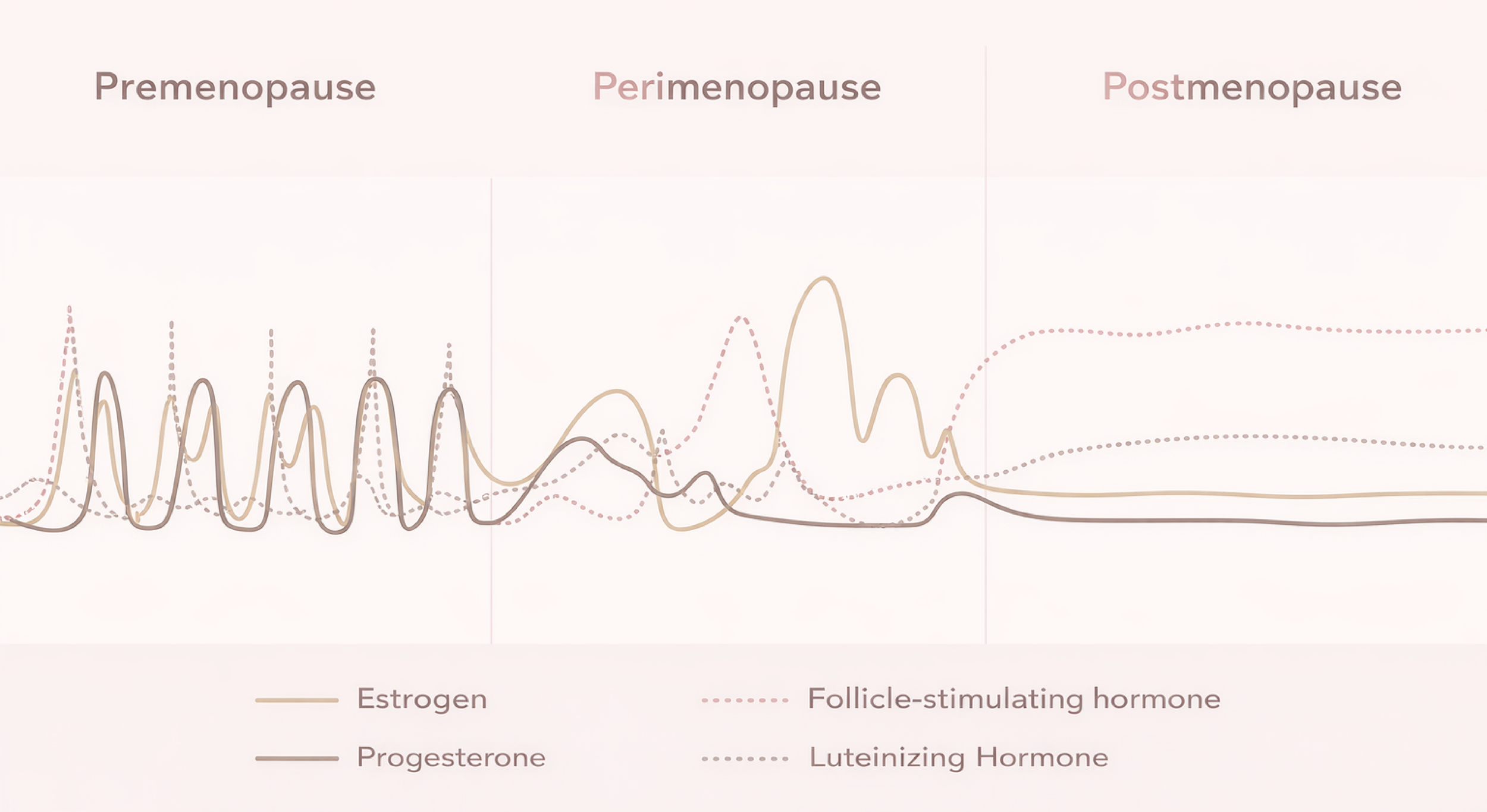
Zone of chaos